

A low-cost and highly efficient approach to reduce tobacco use: Substantial and continuous increases in tobacco tax
The latest smoking prevalence in Hong Kong is 10.2%, meaning most of the Hong Kong people are non-smokers. You may have heard of tobacco tax before, do you understand how this “single most effective tobacco control measure” works in reducing smoking and its status in Hong Kong?
Hong Kong Council on Smoking and Health (COSH) has interviewed the public on their views on cigarette prices and increasing tobacco tax.
While most of the interviewees commented that the current cigarette price level was not high and effective enough and agreed to an increase in tobacco tax as a means to motivate smoking cessation, a smoker also said he would quit smoking if there would be a huge tax hike. Similar findings were also observed in COSH’s Tobacco Control Policy-related Survey conducted between December 2019 and September 2020. Nearly four-fifths (79.5%) of the respondents supported increasing tobacco tax, including around one-third (30.5%) of smokers. Moreover, nearly four-fifths (78.3%) of smokers said that they would quit smoking or reduce their smoking consumption by at least half if the cigarette prices increase. The median price that would be effective to motivate them to quit smoking was HK$100 per pack and the mean price was HK$155.
Raising tobacco tax is an effective measure
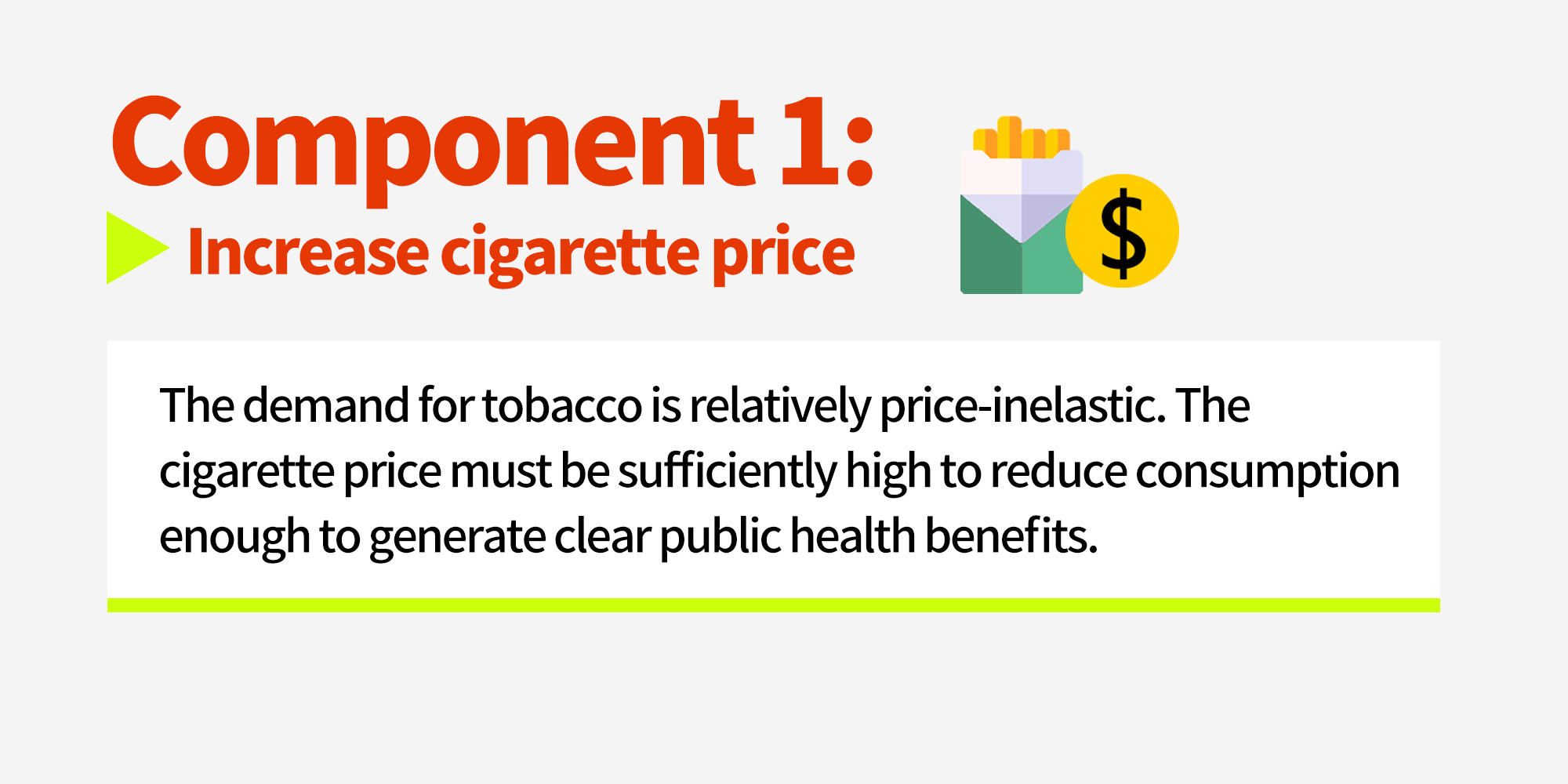
Raising tax on tobacco products leads to increases in their prices. When the level of increment is high enough to make tobacco products unaffordable, the demand for tobacco products will be reduced accordingly. Tobacco tax is one of the most cost-effective tobacco control policies that prevents teenagers from smoking uptake, encourages smokers to quit smoking and prevents relapse of ex-smokers, thereby reducing the smoking population and protecting the public from the harm of tobacco use.
According to World Health Organization (WHO), every 10% increase in price could reduce overall tobacco consumption by about 4% in high-income countries and by about 5% in low- and middle-income countries. The effectiveness of tobacco tax on reducing smoking is direct and proven. According to the database of the University of California, San Francisco, the exposed industry document of the tobacco company had also revealed that the implementation of tobacco taxes would severely frustrate the sales of tobacco than any other marketing restrictions.
Motivating smokers to quit
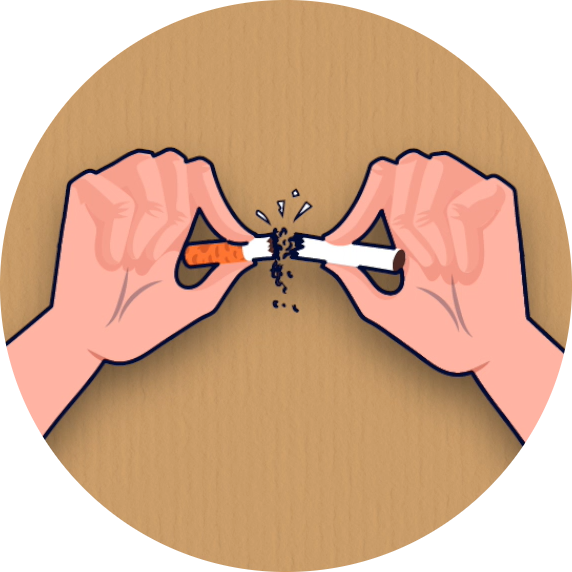
Some people who are against tobacco control doubt that higher tobacco tax punishes smokers and make them switch to cheaper cigarette brands instead of quitting smoking. However, the truth is that smoking is the real punishment for smokers’ health. Increasing tobacco tax is the most direct inducement for smokers to quit smoking. Hong Kong had significantly increased the tobacco tax by 50% and 41.5% in FY2009-2010 and FY2011-2012. The number of calls to the Integrated Smoking Cessation Hotline (1833183) soared by 258% and 49% respectively in the corresponding years, proving the effectiveness of the tobacco tax on smoking cessation.
Reinforcing quitters’ determination
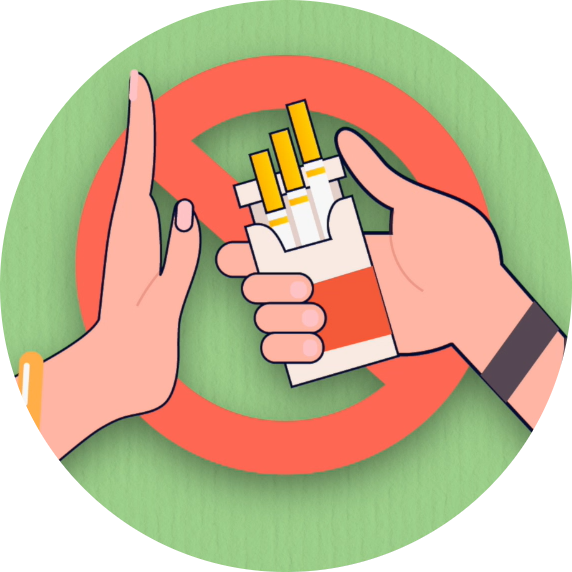
Smoking harms one’s physical and fiscal health. According to the Census and Statistics Department, daily cigarette smokers consumed an average of 12.7 sticks of cigarettes per day. Based on the current price of a cigarette pack in Hong Kong (HK$60), daily smokers can save nearly HK$14,000 by quitting smoking for one year. The higher the cigarette price, the more money can be saved by the quitters. Therefore, increasing tobacco taxes can make it more costly for quitters to relapse and thus encouraging them to keep away from smoking. A Japanese study found that after the tobacco tax was raised by 11% in 2006 and 37% in 2010, smokers were 23% and 85% more likely to maintain smoke-free for at least 2 years, proving that tobacco tax increase also benefits ex-smokers.
Preventing young people from smoking initiation
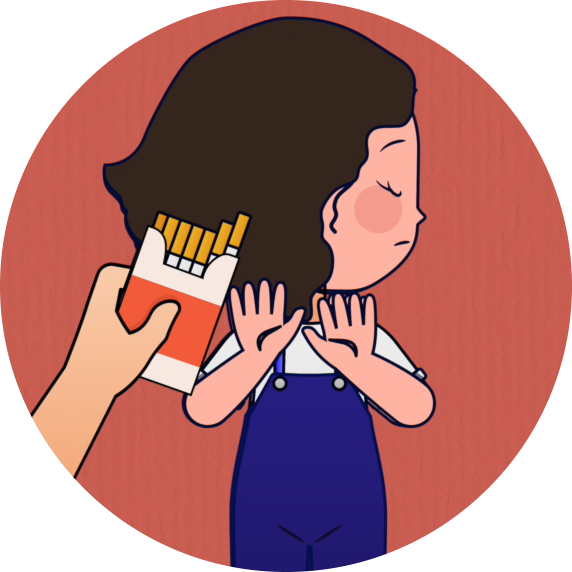
Most smokers establish the smoking habit during adolescence. In Hong Kong, nearly 7 out of 10 smokers started smoking cigarettes weekly at age 10 to 19; and 96.2% developed the habit before age 29. The long-term effects of smoking, such as chronic diseases and cancers, may not emerge at the young age immediately. Young people are more likely to underestimate the smoking-associated risks on health, especially when they have insufficient knowledge on tobacco hazards. Raising prices is an effective way to prevent young people from buying cigarettes as they have lower incomes and are more sensitive to price change. When cigarettes become more expensive, it can greatly reduce the attractiveness and the affordability of cigarettes in young people. Therefore, increasing tobacco tax can motivate young smokers to quit and prevent young non-smokers from initiating the habit, and thus protect them from the trap of the long-term addiction to smoking.

Tobacco tax is highly relevant to non-smokers
In Hong Kong, tobacco kills nearly 7,000 people annually, in which about 700 deaths are non-smokers due to exposure to secondhand smoke. Raising tax on tobacco can reduce the number of smokers and as a result alleviating the related problems to non-smokers and the society, such as improvement of air quality, community hygiene and personal health, etc. It also helps relieve the social burden and Government’s medical expenses. Such savings can be reallocated to other projects that may improve social welfare and economic development and hence benefit non-smokers.
The tobacco industry obstructs the implementation of effective tobacco control measures, particularly raising tobacco tax. The industry often defames the effectiveness of the tobacco tax with distorted and false information to exaggerate the problems of smuggling and mislead the public against the increase in tobacco tax.
Misconception: Raising tobacco tax aggravate tobacco smuggling
Truth: There is no causal relationship between raising tobacco tax and the black market. In fact, smuggling still exists in some places where tobacco taxes are already low. Hong Kong Customs and Excise Department once stated that smuggling was not intensified after the increase in tobacco tax, and the most effective measure to prevent smuggling was to enhance enforcement actions. Some research institutions funded by the tobacco industry have been exaggerating the problem in Hong Kong and accusing that increases in tobacco tax worsened the situation. According to the analysis conducted by The University of Hong Kong, the data collection method of the industry-funded research was biased and results were not credible.
Misconception: Low-income groups would be suffered from raising tobacco tax
Truth: WHO pointed out that poverty was intensified by tobacco use as the smokers diverted household spending from basic needs for living to tobacco. Raising tobacco tax could help the comparatively poor people to give up the costly habit and hence live healthier and improve quality of life.
Misconception: Main function of raising tobacco tax is to generate the government’s income
Truth: Tobacco causes nearly 7,000 deaths and HK$5.6 billion economic losses every year in Hong Kong. The main purpose of tobacco tax is to motivate smokers to quit and reduce smoking prevalence, thus it reduces the burden brought by tobacco-induced illnesses and saves significant medical and healthcare costs.
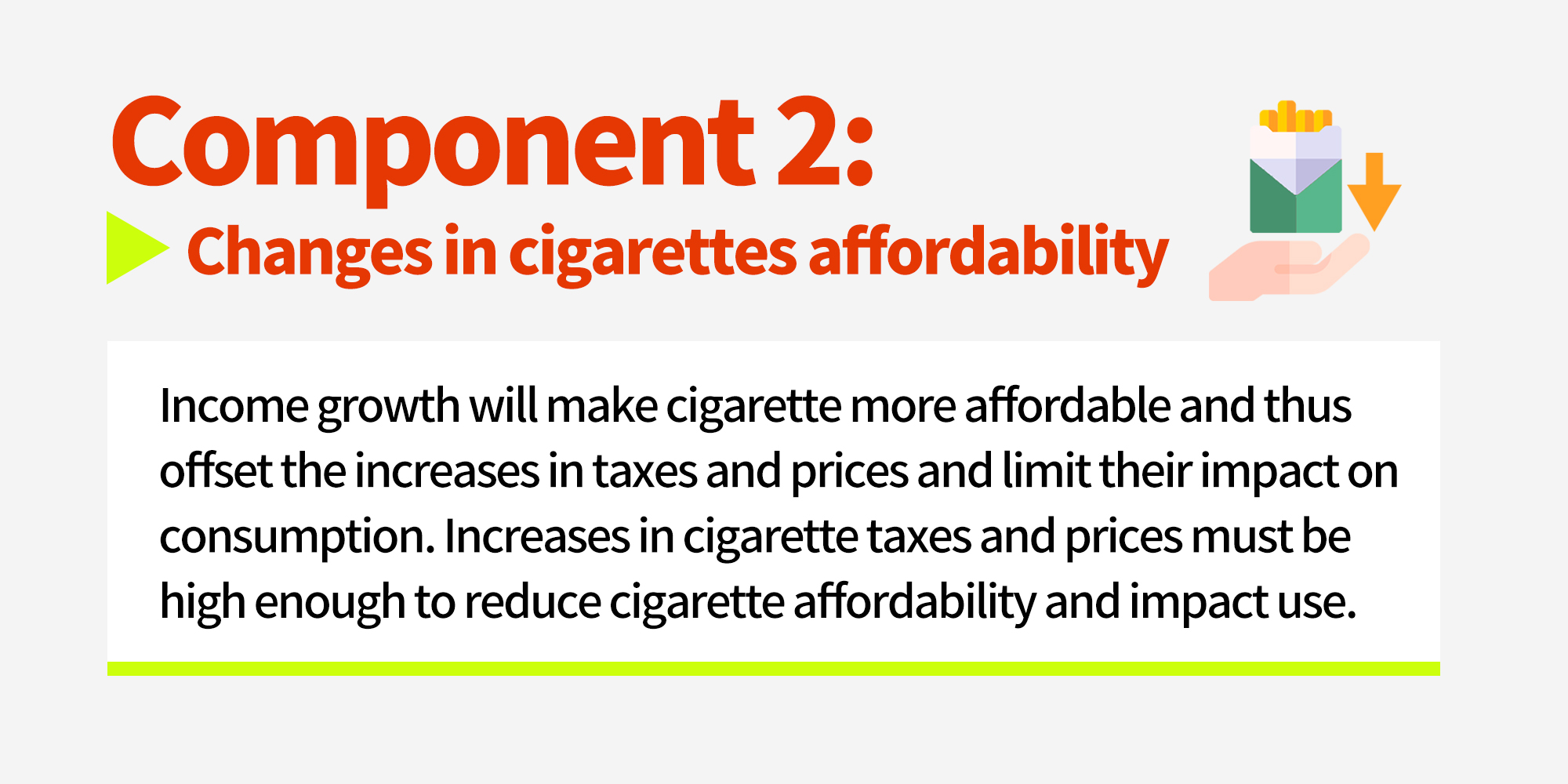
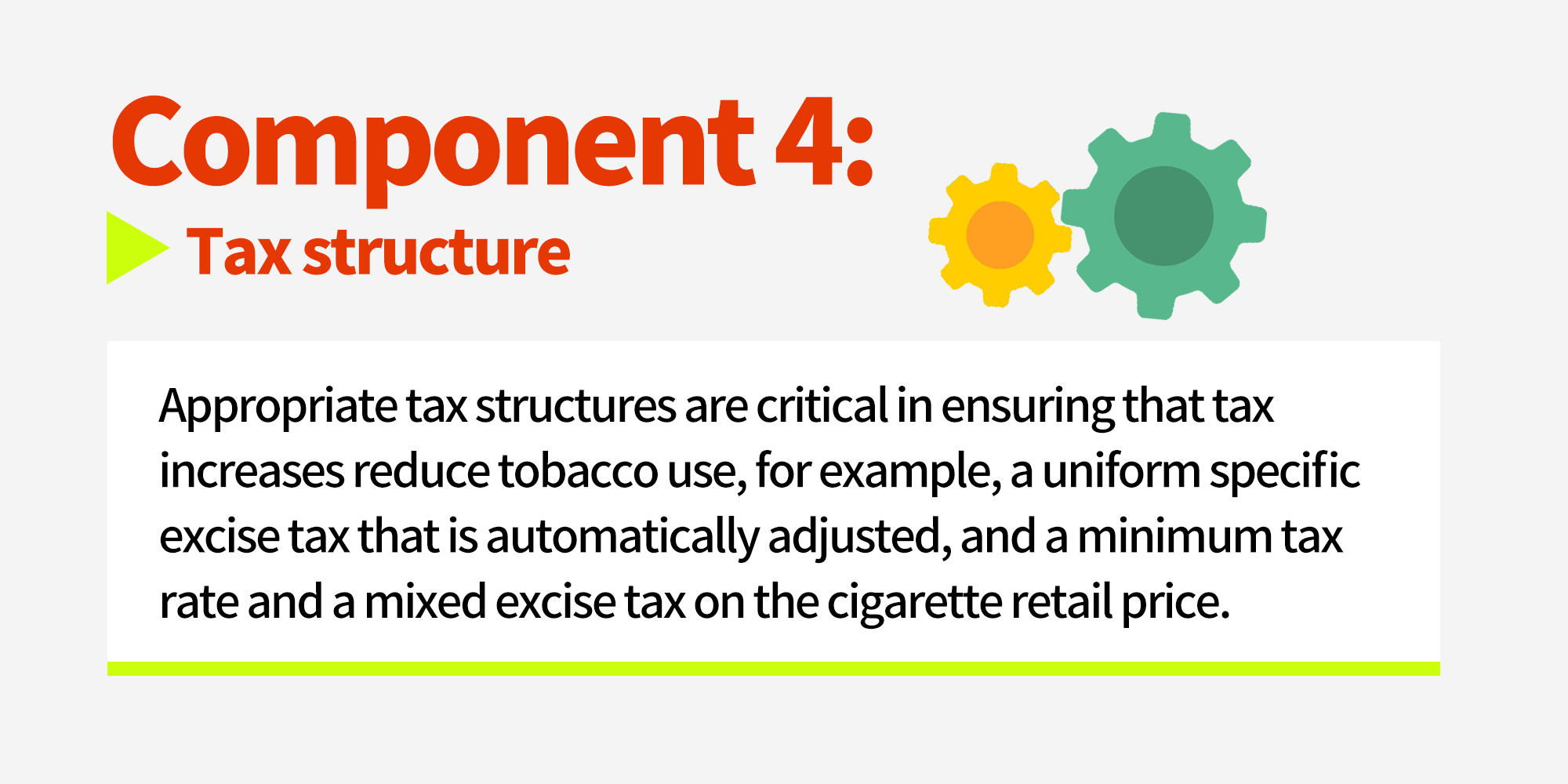
The Cigarette Tax Scorecard developed by a United States institute Tobacconomics listed out four components and indicators for effective tobacco tax policy:

Current tax rate in Hong Kong fails to meet the WHO standard
WHO recommends that tobacco tax should account for at least 75% of the cigarette price and effectively reduce the affordability of tobacco products, (i.e. to raise the real income price after adjusting for income and inflation). The current price of the major brand cigarettes in Hong Kong is about HK$60 per pack, and tobacco tax (about HK$38) accounts for only about 63%, which was far below WHO’s recommendation. However, the tobacco tax has been frozen for seven consecutive years in Hong Kong after a minimal increase in 2014. Over the past two decades, the tax was frozen in most of the years with only two significant increments of 50% in 2009 and 41.5% in 2011. World-renowned expert in tobacco control economics Dr Hana ROSS pointed out that the price of cigarettes in Hong Kong was even more affordable in 2015 than in 1991 in real term after discounting growth in income and inflation, and more affordable than most developed and developing regions.
Apart from a substantial increase, WHO also recommends to establish an automatic mechanism on raising tobacco tax to prevent inflation and income growth from weakening the effectiveness of tobacco tax. Some countries have already established a mechanism on raising tobacco tax annually and set a minimum retail price on tobacco products which are the core strategies to archive tobacco endgame. Hong Kong should follow the WHO's recommendations and successful experiences to substantially increase tobacco tax in the next year to reduce cigarette affordability, and implement a mechanism of automatic tax increase so that the smoking prevalence could be reduced sustainably.
Related information:
- Tobacco Control Strategies: Tobacco tax
- News: World Health Organization recommends high tobacco tax with automatic adjustments
- News: Worsened performance due to failure in increasing tobacco tax regularly
- News: Tobacco tax increase helps quitters to stay smoke-free in the long term
- Report: Tobacco Control Policy-related Survey 2020
Other feature stories: